


What Sets Commercial Display Freezers Apart From Regular Freezers?
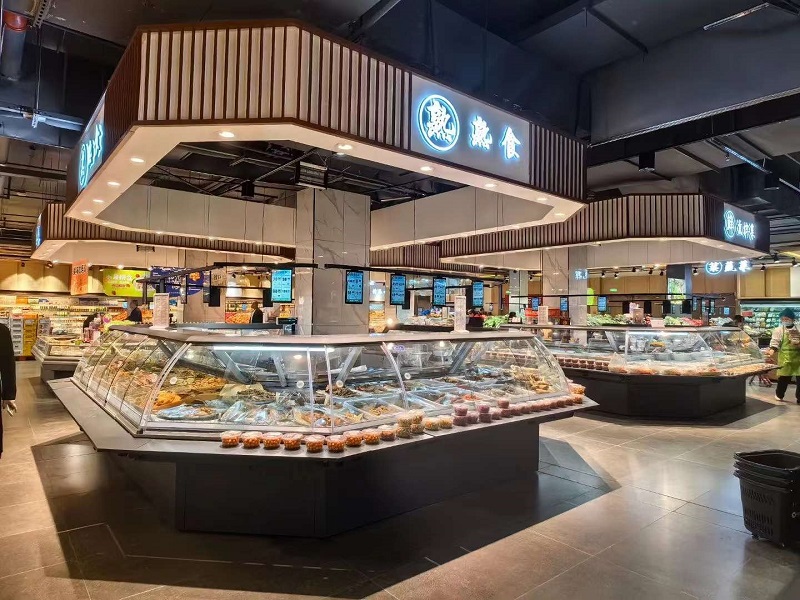
Walk into any supermarket and you'll see them: rows of frozen food beautifully illuminated, inviting customers to browse and buy. These are commercial display freezers—the workhorses of retail frozen food sections. But what exactly makes a supermarket display freezerdifferent from the regular freezer you might have in your garage or back office? The answer goes far beyond just having a glass door.
A standard freezer is designed for one thing: storage. It keeps food frozen, but it's not meant to be seen or interacted with by customers. A commercial display freezer, on the other hand, is engineered to sell. It combines precise temperature control, visibility-enhancing design, and durability that can withstand the demands of a busy retail environment.
This guide breaks down the key differences between commercial display freezers and regular freezers across five critical dimensions. Whether you're a supermarket owner, a convenience store operator, or a food retail professional, understanding these distinctions will help you make the right investment for your business. With over 23 years of expertise serving supermarkets in 70+ countries, Dashangis here to illuminate the path forward.
Key Takeaways: Commercial Display Freezers vs. Regular Freezers
Before diving into the details, here's a quick comparison to frame our discussion. Use this table as your decision-making roadmap.
| Feature | Commercial Display Freezer | Regular Freezer |
|---|---|---|
| Primary Purpose | Display and sell frozen products | Store frozen goods |
| Door Type | Glass (heated, anti-fog) | Solid (metal or plastic) |
| Lighting | LED interior lighting for product appeal | Minimal or no interior lighting |
| Temperature Precision | ±1°F with digital controls | ±3-5°F with basic thermostats |
| Insulation Thickness | 3-4 inches polyurethane foam | 1-2 inches fiberglass |
| Compressor Duty | Heavy-duty, continuous operation | Light-duty, intermittent operation |
| Maintenance | Quarterly professional maintenance | Annual maintenance |
| Certification | NSF, ISO 23953, commercial-grade | Home-use standards only |
1. Built to Sell: The Display Difference
The most fundamental difference between a commercial display freezer and a regular freezer is their primary purpose. A regular freezer is built for storage—its job is to keep food frozen, period. A supermarket display freezer, however, is built to sell.
Commercial display freezers are designed to sit in customer-facing areas, using glass doors and specialized lighting to make products look appetizing. They feature bright LED interior lighting and often a lighted "sign header" at the top for branding. This is why you see frozen pizzas, ice cream, and vegetables looking so appealing in a supermarket—it's by design.
Regular freezers, by contrast, typically have solid doors and no interior lighting. They're not meant to entice anyone; they're meant to hide and preserve. If you're selling frozen products directly to customers, a commercial display freezer is the right choice.
2. Glass Matters: Visibility vs. Insulation
The door is one of the most visible differences—and one of the most technically complex. A commercial display freezer uses glass doors to let customers see the products inside. But glass is a poor insulator compared to solid metal, so these units require advanced engineering to maintain proper temperatures.
Key glass door features in commercial display freezers:
Triple-paned, heated glass: Prevents fogging and condensation. Without this "anti-sweat" technology, the temperature difference between the store and the freezer would create constant fog, obscuring products.
Low-E glass options: Some advanced supermarket display freezers use Low-E (low-emissivity) glass to further reduce heat transfer and improve energy efficiency.
Anti-fog technology: Ensures crystal-clear visibility even in humid environments.
Regular freezers use solid metal or plastic doors. These offer superior insulation and are cheaper to manufacture, but they completely block product visibility. This is fine for storage but unacceptable for retail merchandising.
3. Precision Temperature Control: ±1°F vs. ±5°F
Temperature control is where the technical gap between commercial display freezers and regular freezers becomes most apparent. A supermarket display freezer must maintain precise temperatures to ensure food safety and product quality, even with frequent door openings.
Commercial display freezers typically feature:
Digital thermostats and sensors that maintain temperatures within ±1°F precision
Heavy-duty compressors designed for continuous operation—8,760+ hours per year
Temperature ranges of -18°C to -22°C (-0.4°F to -7.6°F) for standard frozen goods, with some units reaching as low as -25°C for specialized products
Rapid temperature recovery after door openings, essential in high-traffic retail environments
Regular freezers, by contrast, use basic thermostats with ±3-5°F precision and lighter-duty compressors designed to cycle on and off. They're simply not built for the demands of a busy retail environment.
4. Construction & Durability: Built for Continuous Operation
A commercial display freezer is built to last in demanding environments. The construction differences are substantial.
| Component | Commercial Display Freezer | Regular Freezer |
|---|---|---|
| Insulation | 3-4 inches polyurethane foam | 1-2 inches fiberglass with plastic liners |
| Panels | Steel-reinforced | Thin metal or plastic |
| Compressor | Heavy-duty reciprocating or scroll | Light-duty rotary |
| Shelving | Heavy-duty, adjustable | Basic, fixed |
| Interior Material | Stainless steel or commercial-grade | Plastic or painted metal |
These differences matter because a supermarket display freezer operates in challenging conditions: warm ambient temperatures, frequent door openings, and continuous operation. Regular freezers are designed for occasional use in cooler environments.
5. Energy Efficiency vs. Energy Consumption
One common misconception is that commercial display freezers are simply "energy hogs." The reality is more nuanced.
Commercial display freezers do use more absolute power (typically 800-1500W vs. 150-400W for residential units). However, their Energy Efficiency Ratio (EER) is actually higher due to improved heat exchangers and fan speed-controlled drives. This means they're more efficient at converting electricity into cooling, even though they consume more total power.
Advanced commercial display freezers also incorporate energy-saving features like:
Inverter compressor technology that can save more than 55% on electricity bills
Low-E glass to reduce heat transfer
LED lighting that produces less heat than traditional lighting
Night blinds or curtains to reduce energy loss during off-hours
Regular freezers lack these advanced features, making them less efficient per unit of cooling despite their lower absolute power consumption.
6. Maintenance Requirements: Quarterly vs. Annual
The maintenance demands of a commercial display freezer are significantly higher—and for good reason. A unit that operates 24/7 in a demanding environment needs regular attention.
Commercial display freezer maintenance:
Professional maintenance every three months
Regular coil cleaning
Inspection of refrigerant levels
Door seal checks
Regular freezer maintenance:
Annual maintenance
Simple cleaning tasks
This difference reflects the reality that a supermarket display freezer is a critical business asset. Failure means lost inventory, lost sales, and potentially lost customers. Regular maintenance is an investment in business continuity.
7. Regulatory Compliance & Certification
Commercial display freezers must meet rigorous standards that regular freezers don't. These include:
NSF certification for food safety in commercial settings
ISO 23953 or AS 1731 testing standards for retail display equipment
CE, ETL, GEMS, and RoHS certifications for international markets
HACCP compliance for food safety management
Regular freezers are tested to entirely different standards and are not certified for commercial use. Using a regular freezer in a retail setting can void insurance and violate food safety regulations.
8. The Holding vs. Freezing Rule
One of the most critical—and most misunderstood—distinctions is that a commercial display freezer is a holding unit, not a pull-down unit.
What this means:
Only load pre-frozen products: Placing room-temperature items in a merchandiser takes too long to reach freezing, keeping food in the bacterial "danger zone" (4°C to 60°C / 40°F to 140°F)
Prevents coil freeze-up: Unfrozen products release moisture that migrates to evaporator coils, creating ice buildup that chokes airflow
Protects the compressor: Forcing a merchandiser to freeze warm products causes the compressor to run 100% of the time, leading to overheating and potential burnout
Maintains quality: Slow freezing creates large ice crystals that rupture food cell walls, resulting in poor-quality products
Regular freezers, particularly chest freezers, are often used for both freezing and storage. A supermarket display freezer is designed only for displaying already-frozen products.
Frequently Asked Questions About Commercial Display Freezers
A: No. Regular freezers lack glass doors, lighting, and the precise temperature control needed for retail display. They also don't meet commercial food safety certifications.
Conclusion
The difference between a commercial display freezer and a regular freezer goes far beyond aesthetics. Commercial display freezers are engineered for retail environments, combining precision temperature control (±1°F), heavy-duty construction (3-4 inches of insulation, steel-reinforced panels), customer-facing design (glass doors, LED lighting), and commercial-grade certifications. Regular freezers simply can't match these capabilities.
When choosing a supermarket display freezer for your business, consider your specific needs: the volume of products you'll display, the ambient temperature of your store, your energy efficiency goals, and your maintenance capabilities. A quality commercial display freezer is an investment in your business—one that pays for itself through increased sales, reduced waste, and lower operating costs.
Ready to choose the right commercial display freezer for your store?Contact the Dashang team today for a personalized consultation. With a comprehensive range of supermarket display freezers—backed by global certifications (CE, ETL, GEMS, PSE), 46+ national patents, flexible OEM/ODM customization, and 23 years of manufacturing excellence serving 70+ countries—Dashang is your trusted global partner in commercial refrigeration.


